Welcome to Rejuvenation Science®!
 Questions? Please call us at
1-888-737-3588 TOLL FREE
Welcome to Rejuvenation Science®!
Questions? Please call us at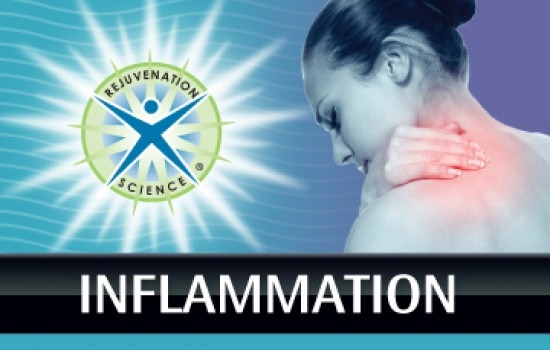
Chronic systemic inflammation is an underlying cause of many seemingly unrelated, age-related diseases. As humans grow older, systemic inflammation can inflict devastating degenerative effects throughout the body.1,2 This fact is often overlooked by the medical establishment, yet persuasive scientific evidence exists that correcting a chronic inflammatory disorder will enable many of the infirmities of aging to be prevented or reversed.
The pathological consequences of inflammation are well-documented in the medical literature.3 Systemic (long-term) inflammation has been implicated in autoimmune diseases such as rheumatoid arthritis, Crohn’s disease, ulcerative colitis and lupus erythematosus. Chronic inflammation has also been implicated in osteoarthritis, heart disease, Alzheimer’s, age-related macular degeneration, chronic obstructive pulmonary disease, multiple sclerosis, stroke, and cancer.4
Do not ignore the dangers of systemic inflammation. Proven ways exist to reverse systemic inflammatory processes. By following specific diet and supplement protocols, the inflammatory cascade can be significantly reduced.
Pharmaceutical companies have recently begun marketing their drugs for alternative uses, such as reduction of inflammation. Studies indicate that statin drugs such as pravastatin (Lipitor®) (40mg/d) or atorvastatin (Pravachol®) (80mg/d) reduce c-reactive protein an average of 21% over a period of 1½ years.5
Non-drug therapies to reduce systemic inflammation as measured by c-reactive protein include:
C-reactive protein (CRP) is a critical inflammatory marker. C-reactive protein below 1.0 (mg/L) of blood is considered a healthy CRP level. A high-sensitivity C-reactive protein blood test is recommended to measure this indicator. It may be conveniently prescribed with the patients’ next lipid test. The following supplements may help manage inflammation.
| Supplement | Dose | CRP Reduction | Parameters | Comments |
| Vitamin E6 | 250, 500, or 1000 IU/kg diet* | -52% | n=21 t=5 months | Dose independent -52% average CRP reduction. Baboon study. |
| Vitamin E + CoQ106 | above + 2 g/kg diet** | -70% | n=21, t=5 months | Adding 2 g/kg diet CoQ10 to above vitamin E doses |
| Vitamin E7 | 400 IU | -57% | n=110, t=6 months | alpha tocopherol |
| Vitamin E8 | -52% | n=30, t=14 days | gamma tocopherol | |
| Fiber9 | -41% | n=3,920 | highest vs. lowest fiber intake | |
| Fish Oil10 | 3 g/day | -29% | n=727 | Nurses Health Study I - highest quintile vs. lowest quintile omega-3 fish oil consumption |
| Krill Oil™11 | 300 mg/day | -30.9% | n=90, t=30 days | |
| For comparison: Statin drugs5 | 40 mg/day pravastatin or 80 mg/day atorvastatin | -21% | n=502, t=18 months |
Omega-3 and omega-6 fats are the raw materials from which eicosanoids, hormone-like substances with multiple effects on body systems, are made. One of the most important duties of eicosanoids is to regulate inflammation, and their manufacture depends upon the supply of fats in the diet. When the optimal (2:1) balance of omega-6 to omega-3 is consumed,12 inflammation is kept in check, occurring when necessary to heal the body but rarely getting out of hand. With a diet high in omega-6 vegetable fats and low in omega-3 fats, eicosanoid production shifts accordingly. The end result is greater inflammation.
Inflammation accelerates the production of free radicals. When inflammation is limited, free radicals can be controlled by antioxidant defenses; in fact, the free radicals help the body get rid of pathogens and make way for healing. But when inflammation is chronic or intense, free radicals can do more harm than good. They can do significant damage to tissues and set in motion harmful chain reactions.
Low-grade inflammation is associated with allergies, asthma, and eczema. Systemic (long-term) inflammation has been implicated in autoimmune diseases such as rheumatoid arthritis, Crohn’s disease, ulcerative colitis and lupus erythematosus. Chronic inflammation has also been implicated in osteoarthritis, heart disease, Alzheimer’s, age-related macular degeneration, chronic obstructive pulmonary disease, multiple sclerosis, and cancer.4
A chronic inflammatory state, as evidenced by elevated C-reactive protein, results in significant damage to the arterial system.
A series of landmark studies by Paul Ridker, M.D. and colleagues indicates that 25 to 35 million Americans have total cholesterol within normal range but above-average levels of inflammation within their cardiovascular systems. This inflammation has significant impact on heart disease risk.13-15 The Women’s Health Study, which involved 39,876 healthy postmenopausal women, supports the C-reactive protein link to cardiovascular disease.16 Those with the highest levels of C-reactive protein had five times the risk of developing cardiovascular disease and seven times the risk of having a heart attack or stroke compared to subjects with the lowest levels. C-reactive protein levels predicted risk of these events even in women who appeared to have no other pertinent risk factors.
The Physicians’ Health Study, which evaluated C-reactive protein levels and heart disease risk in 22,000 initially healthy men, also supports the relationship between inflammation and heart attack.17 Inflammation may explain why women taking Premarin have slightly increased risk of heart attack; Premarin causes C-reactive protein levels to climb.18 Data from the Framingham cohort correlated high C-reactive protein with calcification of the coronary arteries.19
Research on C-reactive protein indicates that cholesterol-filled plaques in blood vessels may not pose any real danger unless they are affected by inflammation. Inflammation weakens plaques, making them more vulnerable to bursting or pinching off a clot that can then block coronary vessels.20-22
What is the source of this inflammation? Researchers have a few different theories. Some suggest that plaques are actually an attempt on the part of the immune system to repair some sort of damage to vessel walls. According to this theory, the inflammation arises as the body sends immune factors to the damaged area. Other theories implicate pathogens, including Chlamydia pneumoniae and the ulcer-causing Helicobacter pylori. Some research has indicated that people who are seropositive for these pathogens are at significantly elevated risk of a cardiac event,36-37 and that this may be due to a state of chronic, low-level inflammation spurred by the continued presence of the bacteria.
Well-established cardiac risk factors such as obesity, smoking, hypertension and chronic periodontal disease all increase inflammation and C-reactive protein levels in the body. Fat cells literally pump out C-reactive protein, which could explain why being overweight is so bad for the heart.23
Mayo Clinic epidemiologists published in Arthritis & Rheumatism March 2005 that systemic inflammation associated with rheumatoid arthritis may be the cause of increased risk of cardiovascular death among patients with CVD. In a 40-year study, following 603 patients from 1955 to 1995, 354 patients died and 176 of those died from cardiovascular disease (CVD). The risk of dying from CVD was significantly higher among subjects who experienced elevations of ESR values, inflammation of the blood vessels and rheumatoid lung disease, with the presence of any of these factors more than doubling CVD mortality risk.24
Senior author Sherine Gabriel MD commented, “Our previous research showed that rheumatoid arthritis patients have a higher risk of early death than others and these deaths are mostly due to cardiovascular disease. We suspect that systemic inflammation promotes this risk. Our findings support this hypothesis.”24
Inflammatory processes have also been implicated in Alzheimer’s disease. Subjects enrolled in the Honolulu-Asia Aging Study were three times more likely to develop Alzheimer’s during a 25-year follow-up if they were in the highest quartile of C-reactive protein levels (compared with those in the bottom quartile). The correlation was evident: the more C-reactive protein subjects had at the start, the higher their risk of developing Alzheimer’s disease.25
Diabetics, as well as Alzheimer’s patients have elevated markers of deep inflammation. Research led by Dr. Ridker at Brigham & Women’s Hospital in Boston has shown a common inflammatory basis of these two diseases — illnesses that often strike in the same individuals.26
Researchers at Tufts University School of Medicine writing in the journal Thorax, Jan 2006 reported that C-reactive protein may be a systemic marker of the inflammatory process that occurs in patients with chronic obstructive pulmonary disease (COPD). They concluded “CRP levels are raised in COPD patients without clinically relevant ischemic heart disease and independent of cigarette smoking. CRP may be a systemic marker of the inflammatory process that occurs in patients with COPD.”27
The February 2004 Journal of the American Medical Association published a report that establishes a link between elevated levels of the inflammatory marker C-reactive protein and age-related macular degeneration (AMD). AMD is a disease of the eye which affects older individuals and is the leading cause of vision loss in seniors.28
Researchers evaluated results from 930 participants from two AREDS study sites. They found that those whose CRP levels were in the highest one-fourth had a 65 percent increased risk of macular degeneration compared to those in the lowest quartile. Researchers concluded that their study was the first to establish a link between C-reactive protein levels and AMD in a large population. “Anti-inflammatory agents might have a role in preventing AMD, and inflammatory biomarkers such as CRP may provide a method of identifying individuals for whom these agents and other therapies would be more effective.”28
Multiple studies published in JAMA, from researchers at Harvard Medical School, have shown that those with the highest intake of anti-inflammatory substances – fish oil containing omega-3 fatty acids DHA and EPA and lutein – lower inflammation, which is associated with AMD.28
Efficient inflammatory processes go hand-in-hand with maintaining normal weight, glucose levels, and muscle mass.
Research conducted at the Methodist DeBakey Heart Center in Houston identified a molecular link between obesity and inflammation. This research shows that a high fat diet draws inflammatory cells into fat tissue, which prevents the tissue from storing the fats we eat. When the tissue can not store these fats, they end up in the liver and muscle, which in turn causes weight-gain and diabetes.39
JAMA, Feb 2004, reports that in a 10-year study of 22,887 people living in Maryland, those with the highest levels of C-reactive protein are three times as likely to contract colon cancer as those in the lowest ranges.29
Researchers writing in the Jan 2006 Archives of Internal Medicine evaluated data from 3,189 participants in the 9-year Blue Mountain Eye Study in Australia. They found that subjects whose white blood count (WBC) was in the top 25 percent of the study population (with >7,400 cells/ml) had a 73 percent higher risk of dying of cancer than those whose WBC were in the lowest 25 percent (<5,300 cells/ml). Analyzing independently for lung cancer, having a WBC in the top fourth tripled the risk of dying from the disease compared to those in the bottom quartile. Their conclusion, “Local inflammatory processes that have long been known to be associated with tumor progression may be reflected in the systemic inflammatory marker of higher WBC count.”30
Non-drug therapies to reduce systemic inflammation as measured by c-reactive protein include the following foods and supplements.
Researchers examined data from the Health, Aging and Body Composition Study which provided information on body mass index, exercise and activity levels, medication and nutritional supplement intake for 2,964 men and women. Taking a multivitamin supplement was associated with CRP levels similar to those who exercised 180 minutes/week or more and did not take supplements. The use of multivitamin supplements, beta carotene, vitamins C and E was associated with lower levels of CRP and interleukin-6 regardless of exercise level.32
Vitamin E’s ability to protect against heart disease has also been attributed to its blood-thinning effects, but recent research has shown that it lowers C-reactive protein levels considerably.6,7,8,33,34
In a baboon study published in the Oct 2005 American Journal of Clinical Nutrition, 21 subjects’ CRP were evaluated at baseline, then given vitamin E in doses of 250, 500, or 1000 IU/kg diet. CRP was reduced 52% on average. Co-supplementation with Coenzyme Q10 further reduced CRP to about 30 percent of baseline, a 70% total reduction.6
One of the best ways to control inflammation is to take omega-3 rich fish oil supplements daily. Fish oil supplements contain both DHA (docosahexaenoic acid) and EPA (eicosapentaenoic acid). A recent study found that three grams of fish oil a day was heart-protective.35 Cod liver oil does not fall in this category.
C-reactive protein (CRP) levels were 29% lower among those in the highest quintile of total omega-3 fatty acid intake, compared with the lowest quintile in a cross-sectional study of 727 women aged 43–69 years from the Nurses’ Health Study I cohort.10
The results of a recent study show with a high level of certainty that Krill Oil, at a daily dose of 300 mg, may significantly inhibit inflammation by reducing C-reactive protein (CRP).11
After taking Krill Oil 300 mg/day for a period of 7, 14, and 30 days, CRP was reduced 19.3%, 29.7% and 30.9%. In this placebo-controlled study, 90 patients with cardiovascular disease, rheumatoid arthritis or osteoarthritis and with increased levels of C-reactive protein >1.0 mg/dl were evaluated. The Western Ontario and McMaster (WOMAC) University Osteoarthritis index was administered to validate the results.11
1. McCarty MF. Interleukin-6 as a central mediator of cardiovascular risk associated with chronic inflammation, smoking, diabetes, and visceral obesity: down-regulation with essential fatty acids, ethanol and pentoxifylline. Med Hypotheses. 1999 May;52(5):465-77.
2. Brod SA. Unregulated inflammation shortens human functional longevity. Inflamm Res. 2000 Nov;49(11):561-70.
3. Willard LB, Hauss-Wegrzyniak B, Wenk GL. Pathological and biochemical consequences of acute and chronic neuroinflammation within the basal forebrain cholinergic system of rats. Neuroscience. 1999 Jan;88(1):193-200.
4. Simopoulos AP. Omega-3 Fatty acids in inflammation and autoimmune diseases. J Am Coll Nutr. 2002 Dec;21(6):495-505.
5. Nissen SE, Tuzcu EM, Schoenhagen P, et al. Statin therapy, LDL cholesterol, C-reactive protein, and coronary artery disease. N Engl J Med. 2005 Jan 6;352(1):29-38.
6. Wang XL., Rainwater DI., Mahaney MC, Stocker R. Cosupplementation with vitamin E and coenzyme Q10 reduces circulating markers of inflammation in baboons. Am J Clin Nutr. 2004 Sept;80(3):649-55.
7. Murphy RT, Foley JB, Tome MT, et al. Vitamin E modulation of C-reactive protein in smokers with acute coronary syndromes. Free Radic Biol Med. 2004 Apr 15;36(8):959-65.
8. Himmelfarb J, Kane J, McMonagle E, et al. Alpha and gamma tocopherol metabolism healthy subjects and patients with end-stage renal disease. Kidney Int. 2003 Sep;64(3):978-91.
9. Ajani UA, Ford ES, Mokdad AH. Dietary fiber and C-reactive protein: findings from national health and nutrition examination survey data (NHANES) J Nutr. 204 May;134(5):1181-5.
10. Lopez-Garcia et al. Consumption of (n-3) fatty acids is related to plasma biomarkers of inflammation and endothelial activation in women. J. Nutr. 134:1806-1811, July 2004.
11. Sampalis T, Evaluation of the Effect of NKO on Biomarkers of Chronic Inflammation in vivo. JSS medical research, inc. June 9, 2004, unpublished.
12. Schmidt MA, Smart Fats: How Dietary Fats and Oils Affect Mental, Physical, and Emotional Intelligence, Frog, Ltd., Berkeley, CA:1997.
13. Rifai N, Ridker PM, Inflammatory markers and coronary heart disease. Curr Opin Lipidol 2002 Aug;13(4):383-9.
14. Bermudez EA, Ridker PM, C-reactive protein, statins, and the primary prevention of atherosclerotic cardiovascular disease. Prev Cardiol 2002 Winter;5(1):42-6.
15. Blake GJ, Ridker PM, Inflammatory mechanisms in atherosclerosis: from laboratory evidence to clinical application. Ital Heart J 2001 Nov;2(11):796-800.
16. Pradhan AD, et al, Inflammatory biomarkers, hormone replacement therapy, and incident coronary heart disease: prospective analysis from the Women’s Health Initiative observational study. JAMA 2002 Aug 28;288(8):980-7.
17. Ridker PM, et al. Inflammation, aspirin, and the risk of cardiovascular disease in apparently healthy men. NEJM 1997 Apr 3;336(14):973-9.
18. Wang TJ, et al. C-reactive protein is associated with subclinical epicardial coronary calcification in men and women: the Framingham Heart Study. Circulation 2002 Sep 3;106(10):1189-91.
19. Rifai N, et al. C-reactive protein and coronary heart disease. Cardiovasc Toxicol 2001;1(2):153-7.
20. Jialal I, Devaraj S. Inflammation and atherosclerosis: the value of the high-sensitivity C-reactive protein assay as a risk marker. Am J Clin Pathol 2001 Dec;116 Suppl:S108-15.
21. Zairis M, et al, C-reactive protein and multiple complex coronary artery plaques in patients with primary unstable angina. Atherosclerosis 2002 Oct;164(2):355.
22. Lowe GD, The relationship between infection, inflammation, and cardiovascular disease: an overview. Ann Peridontol 2001 Dec;6(1):1-8.
23. Ramsay JE, Maternal obesity is associated with dysregulation of metabolic, vascular, and inflammatory pathways. J Clin Endocrinol Metab 2002 Sep;87(9):4231-7.
24. Maradit-Kremers H, Nicola P, Crowson C, Ballman K, Gabriel S. Cardiovascular Death in Rheumatoid Arthritis: a population based study. Arthritis & Rheumatism; Mar 2005;52;722-732.
25. Schmidt R, Early inflammation and dementia: a 25-year follow-up of the Honolulu-Asia Aging Study, Ann Neurol 2002 Aug;52(2):168-74.
26. Pradhan AD, Ridker PM, Do atherosclerosis and type 2 diabetes share a common inflammatory basis? Eur Heart J 2002 Jun;23(11):831-4.
27. Pinto-Plata VM. C-reactive protein in patients with COPD, control smokers, and nonsmokers. Thorax, 2006;61(1):23-28.
28. Seddon J, Gensler G, Milton RC, Klein ML, Rifai N. Association Between C-Reactive Protein and Age-Related Macular Degeneration. JAMA. 2004;291:704-710.
29. Erlinger TP, Platz EA, Rifai N, Helzlsouer KJ. C-reactive protein and the risk of incident colorectal cancer. JAMA. 2004 Feb 4;291(5):585-90.
30. Shankar A, Wang JJ, Rochtchina E, Yu MC, Kefford R, Mitchell P. Association between circulating white blood cell count and cancer mortality: a population-based cohort study. Arch Intern Med. 2006;166:188-194.
31. Seierstad SL, Seljeflot I, et al. Dietary intake of differently fed salmon; the influence on markers of human atherosclerosis, Eur J Clin Invest 2005; 35 (1): 52 –59.
32. Antioxidant supplement use associated with lower inflammatory markers; Journal of the American Geriatrics Society; July 2004
33. Devaraj S, Jialal I. Alpha tocopherol supplementation decreases serum C-reactive protein and monocyte interleukin-6 levels in normal volunteers and type 2 diabetic patients. Free Radic Biol Med 2000 Oct 15;29(8):790-2.
34. Patrick L, Uzick M, Cardiovascular disease: C-reactive protein and the inflammatory disease paradigm: HMG-CoA reductase inhibitors, alpha-tocopherol, red yeast rice, and olive oil polyphenols. A review of the literature. Altern Med Rev 2001 Jun;6(3):248-71.
35. Nestel P, et al, The n-3 fatty acids eicosapentaenoid acid and docosahexaenoic acid increase systemic arterial compliance in humans. Am J Clin Nutr 2002 Aug;76(2):326-30.
36. Davydov L, Cheng JW, The association of infection and coronary artery disease: an update. Expert Opin Investig Drugs 2000 Nov;9(11):2505-17.
37. Stone AF, et al, Effect of treatment for Chlamydia pneumoniae and Helicobacter pylori on markers of inflammation and cardiac events in patients with acute coronary syndromes: South Thames Trial of Antibiotics in Myocardial Infarction and Unstable Angina (STAMINA). Circulation 2002 Sep 3;106(10):1219-23.
38. Estruch R. Effects of Mediterranean-Style Diet on Cardiovascular Risk Factors. Ann Intern Med. 2006;145:1-11.
39. Press release: Link Between Obesity and Inflammation, Methodist DeBakey Heart Center, Houston TX.
NEW PRODUCTS | |||
Microplastics Oral Saliva Testing | |||
Recently Viewed |